
Table of contents
Imagine watching your city slowly sink beneath your feet. Roads buckle. Buildings tilt. Floods become common, not because of storms, but because the land itself is dropping. For decades, we pulled oil and water out of the ground. What happened when engineers tried to put something back? The answer might surprise you—it could change how we fight back against climate threats.
The ground beneath our cities was collapsing
In the 1970s, big cities like Mexico City and places near the Niger Delta started seeing strange problems. Streets twisted. Houses cracked. People blamed poor construction or heavy rain. But something deeper was going on—literally.
Oil and water being pumped out over decades left empty spaces inside the Earth. Think of the ground like a mattress. If you keep taking out the stuffing, eventually it sags. That’s what was happening under cities: the land was falling in on itself.
Engineering turned the problem upside down—literally
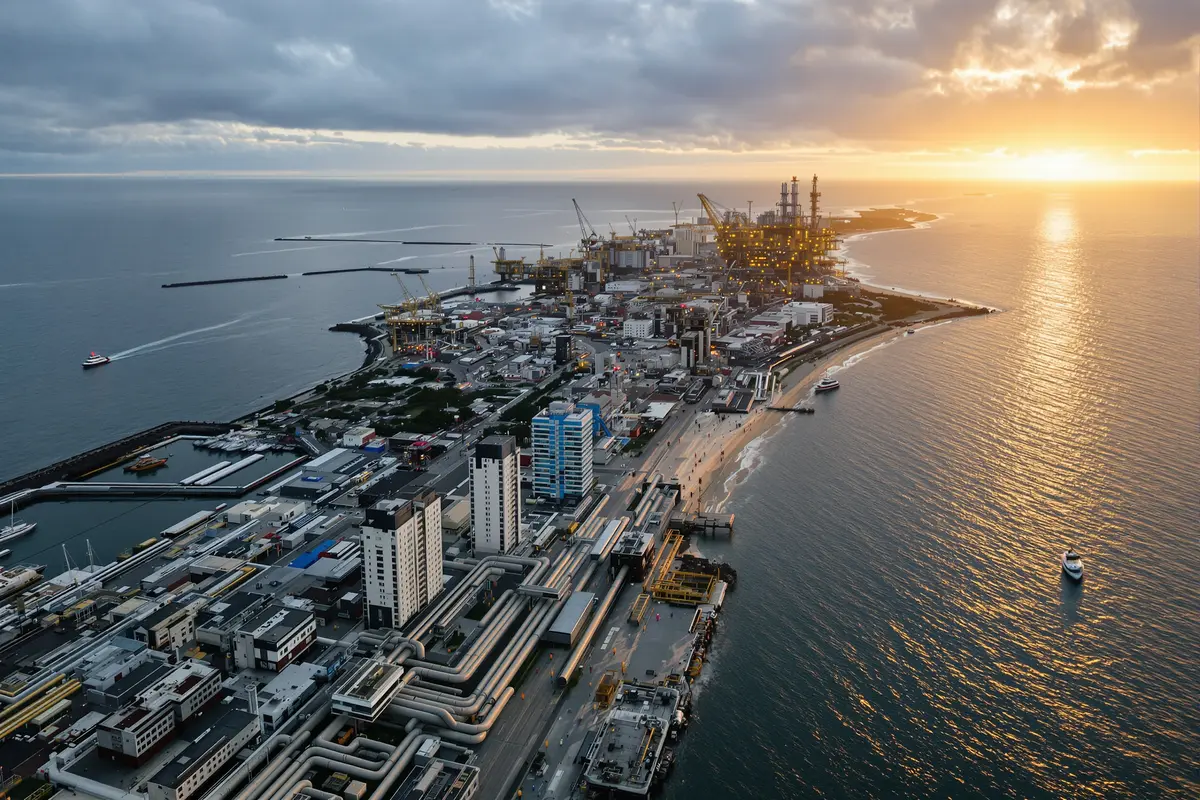
In one coastal megacity, known for pollution and storms, the danger crept in silently. Old oil fields deep under the ocean started collapsing. The seafloor dropped. Water from the tides started creeping closer. That’s when engineers had a very odd idea.
Instead of pulling more oil out, they began pumping seawater back in. The seawater had to be treated and chilled, then injected deep underground through old oil wells. It wasn’t about making money anymore. It was about stopping the Earth itself from sinking.
How water slows the sinking
Here’s the science behind it. When oil or water is pulled from rock layers, the rock grains press together. The ground above slowly sinks. It doesn’t sound like much, maybe a centimeter a year. But that tiny drop adds up. In ten years, whole neighborhoods can slide below sea level.
By filling those spaces with water, engineers restore some of the lost pressure. That stops the crushing. It doesn’t reverse the damage, but it can stop it from getting worse. The trick is to start early—before cracks appear on the surface. Wait too long, and the land might be lost for good.
Monitored like a patient in the ICU
This process—called water injection—sounds simple: pump water down to keep the land up. But it’s anything but easy. It’s like caring for a very sick patient. Teams of experts watch for the slightest changes in pressure. Satellites track movements smaller than a fingernail.
- If the pressure drops too low, pumps push chilled water underground.
- If it rises too high, pumps stop to avoid small earthquakes.
- Water quality must be perfect, or it can ruin the wells or clog the rocks.
- Incorrect placement or timing means the water may miss the target entirely.
It’s a delicate dance. Engineers adjust flow rates, decide where to inject, and deal with fierce arguments over budget and responsibility. After all, they’re not just fixing oil fields—they’re protecting entire cities from collapsing.
Timing and teamwork make it work
Some of the most successful cases had one thing in common: engineers started water injection before the land visibly sank. They also shared data with the public and worked closely with city officials. That mix of science and trust helped these communities stay afloat—literally.
Water doesn’t fix everything, but it makes a big difference
Water injection isn’t magic. Once the underground rock grains are crushed, they can’t be fluffed back up. It can’t reverse all subsidence. And it definitely won’t stop climate-driven sea level rise.
Still, it buys time. Maybe decades of stability. It delays disasters. And in some cities like Jakarta, Shanghai, or Venice, that time is priceless. For families living there, every year without rising floods and cracked streets is a win.
A quiet defense hidden under our feet
Most people never hear about this. They see the traffic, smell the smog, and maybe wonder why their basement floods a little less this year. They don’t know that beneath their feet, wells and sensors are running night and day to stop the city from collapsing any further.
Places like Houston and Tokyo are learning to use this hidden method. But not all sinking places can copy it. Some areas are built over soft clay or exhausted aquifers with no oil wells to reuse. That’s where things get hard—and scary.
So what happens next?
The same industry that helped create the problem—oil and gas—is now part of the solution. They’re reusing equipment, sharing data, and turning old fields into pressure blankets for the Earth. But it’s not enough on its own.
To protect more cities, we’ll need better water management, stronger planning, and serious climate action. Until then, the engineers quietly injecting water may be our first defense against a sinking world.
Key takeaways
| Point | Details | Why it matters |
|---|---|---|
| Water injection slows land subsidence | It restores pressure in underground rock layers | Helps stabilize cities built on old oil fields |
| Start early | Injecting before visible damage is key | Prevents long-term structural costs |
| It’s a partial fix | Can’t fully undo past compaction | Buys time, not a permanent cure |
Common questions
Is this safe for cities?
Yes. When carefully monitored, water injection is considered safer than letting subsidence worsen.
Can it lift the city back up?
Not really. It mostly stops further sinking. Only a small upward rebound is possible.
Is this technique used everywhere?
No. It only works well in places with mapped reservoirs and existing pipelines.
Who pays for it?
Costs are shared between oil companies, governments, and sometimes the public through taxes or utility fees.
Does this help stop climate change?
Not directly. But it helps cities adapt to sea level rise while bigger climate decisions unfold.


